Foreign Body Investigation , Microscopy & Rheology
UKAS Accredited Foreign Body Identification
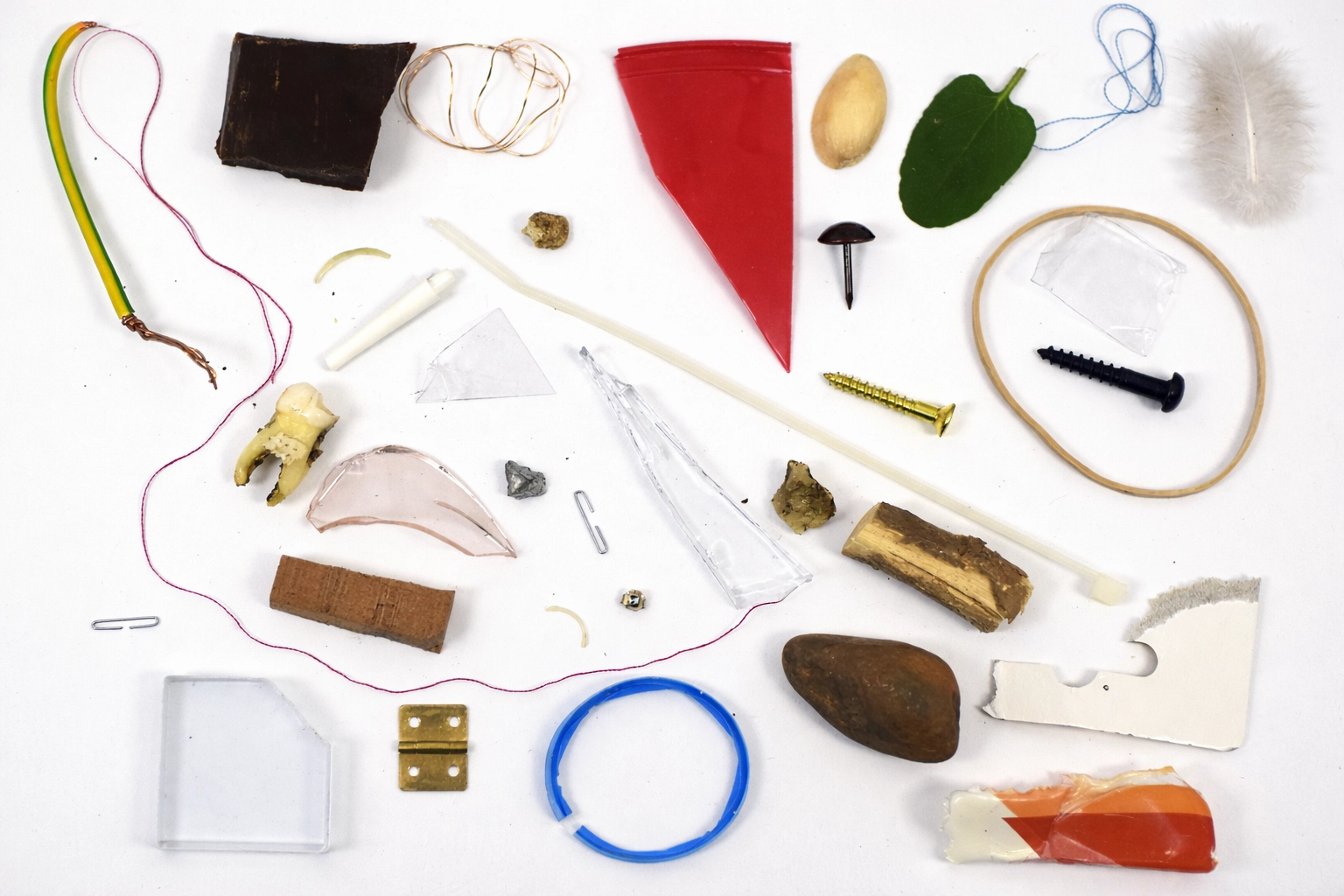
When a foreign object is found in a food product, the situation can escalate quickly. Complaints can lead to retailer scrutiny, production disruption, and potential reputational damage. Whether the issue is genuine, accidental or malicious, you need fast, reliable answers you can stand behind.
At Premier Analytical Services, we combine investigative expertise with advanced analytical techniques to identify foreign bodies, determine their origin, and understand how contamination occurred. Our UKAS-accredited laboratory delivers clear, defensible results to support quality teams, technical managers and regulatory requirements.
Foreign Body Investigation
Clear answers when it matters most
Our foreign body investigation service is designed to answer three critical questions:
- What is it?
- Where did it come from?
- How did it get there?
Using a combination of microscopy, spectroscopy, and materials analysis, we provide a structured and evidence-based approach to identifying unknown materials and determining contamination pathways.
What we deliver
- Accurate identification of foreign bodies, including plastics, metals, glass, fibres, biological material and food particulates
- Insight into likely contamination sources within ingredients, processing or packaging
- Assessment of mechanical damage, including bite marks, abrasion or processing defects
- Evaluation of packaging to identify entry points or failure mechanisms
- Clear, defensible reporting suitable for retailers, auditors or legal review
By combining multiple analytical techniques, we build a complete picture of the issue, helping you move from uncertainty to confident decision-making.
UKAS accredited quality you can trust
We operate 32 UKAS-accredited analytical methods to ISO 17025 standards, ensuring the highest level of technical competence and data integrity.
This means:
- Results are accurate, repeatable and defensible
- Methods are validated and audited
- Reports are suitable for regulatory, customer and legal scrutiny
Clear and practical reporting
You will receive:
- A detailed report with findings, interpretation and conclusions
- Expert commentary to support internal decision-making
- Typical turnaround of 5–8 working days from receipt of samples
- Results delivered electronically, with hard copies available if required
For urgent cases, expedited analysis can be arranged.
Need Immediate Assistance?
Contact our team today to discuss your foreign body investigation requirements. We are here to help yourespond quickly, professionally, and with confidence.
Biological and Physical Sciences
Microscopy & Rheology
Understanding structure, behaviour and root cause
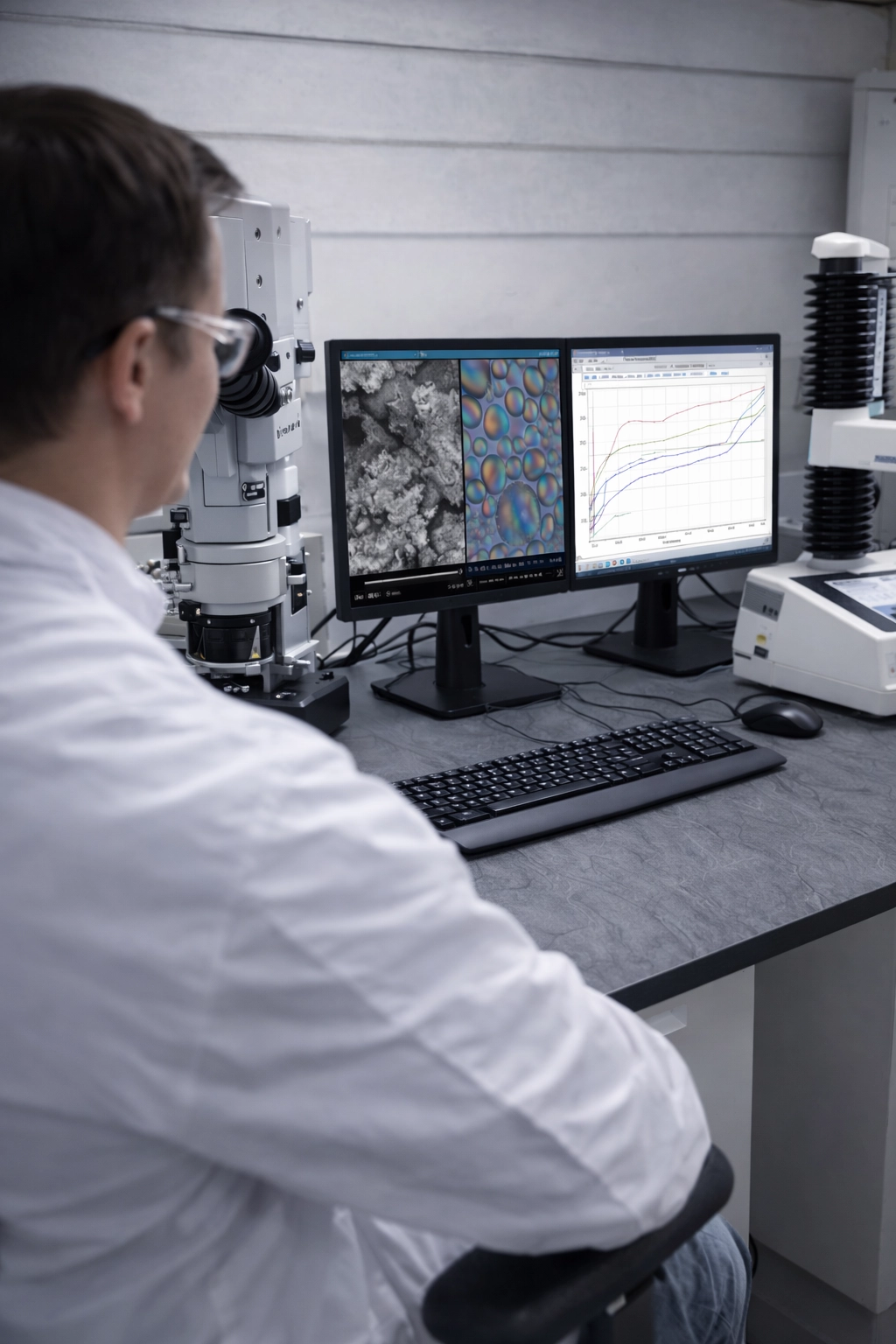
Microscopy and rheology work together to provide a deeper understanding of food structure and performance. Where microscopy shows what a material looks like, rheology explains how it behaves.
This combined approach allows us to investigate product defects, assess processing impacts, and support product development with clear, measurable data.
Investigative Microscopy
Identifying materials and uncovering evidence
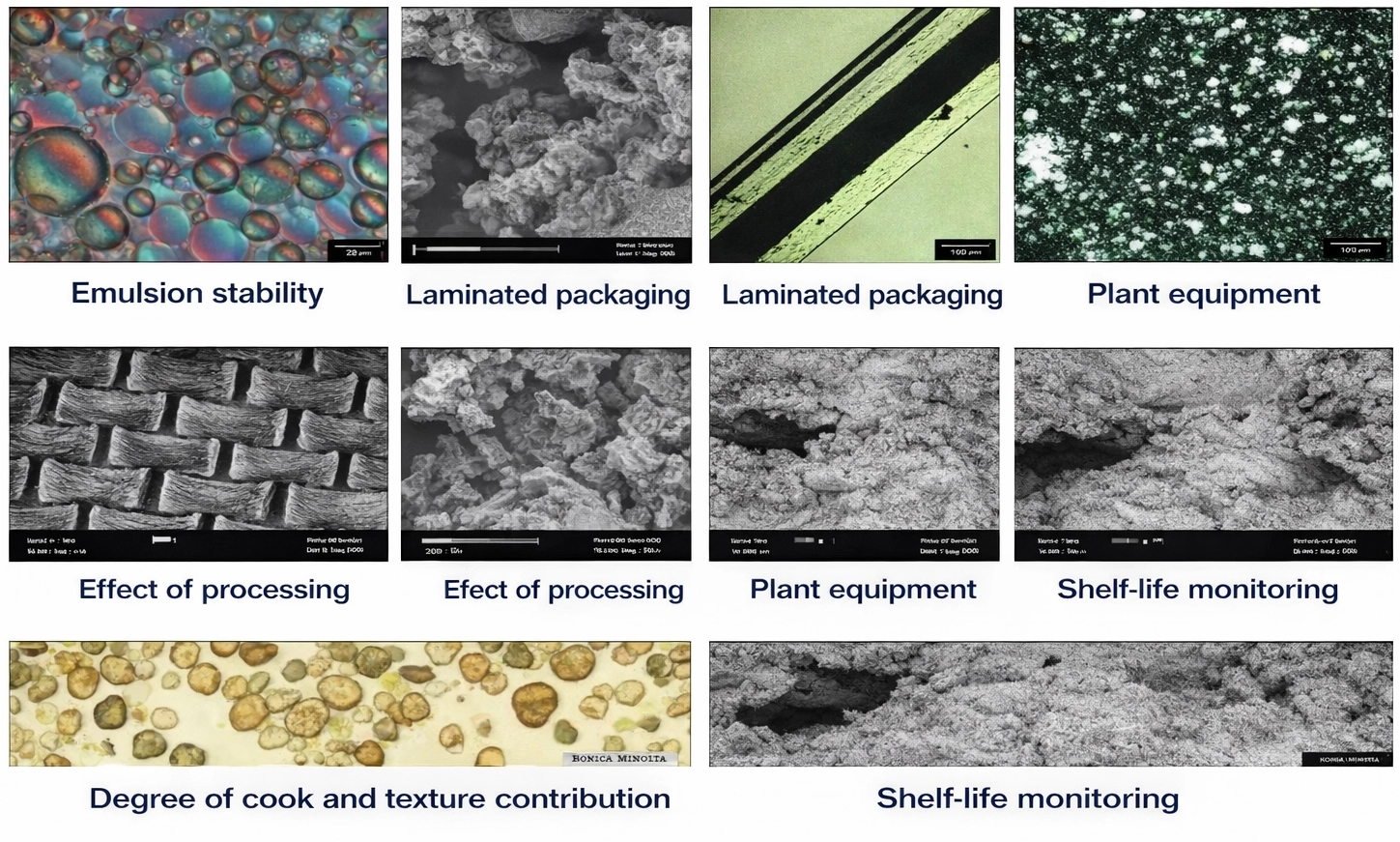
Investigative microscopy is at the core of foreign body analysis. It enables detailed examination of materials at micro and nano scale, revealing structural features that cannot be seen with the naked eye.
Using a range of techniques, including optical microscopy and scanning electron microscopy (SEM), we can:
- Identify unknown materials and contaminants
- Examine surface deposits and residue distribution
- Detect signs of mechanical damage such as cutting, abrasion or impact
- Analyse fracture surfaces to understand how a material failed
- Assess structural features such as porosity, density and texture
Both intact and fractured surfaces can be examined to determine whether damage occurred during processing, packaging, or after production.
This level of detail is critical when establishing root cause and supporting defensible conclusions.
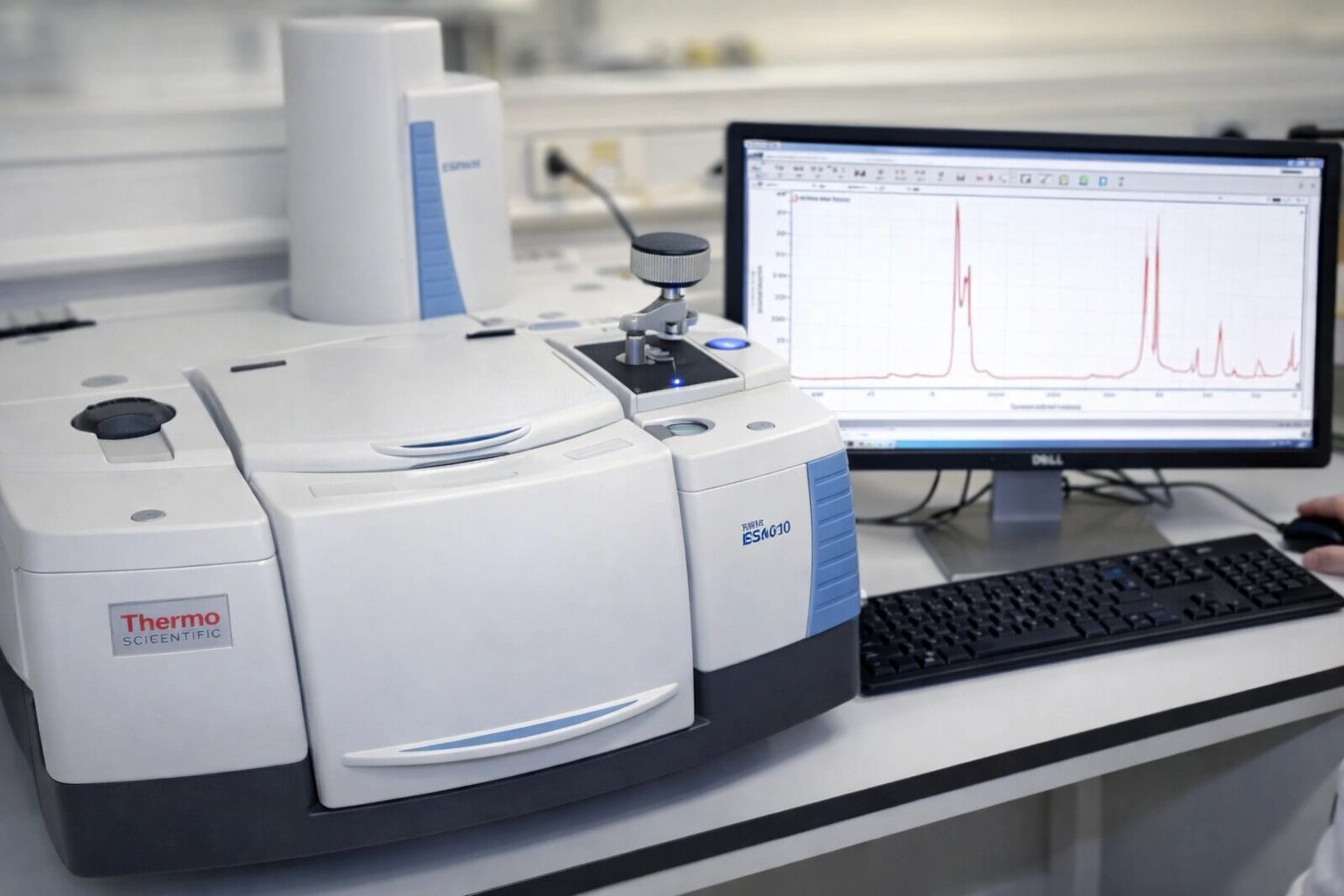
Fourier Transform Infrared (FTIR) Spectroscopy
Understanding chemical composition
FTIR analysis provides a chemical “fingerprint” of materials, allowing us to identify a wide range of substances quickly and accurately.
- Identification of plastics, elastomers, fibres and food components
- Comparison against extensive spectral libraries
- Rapid confirmation of material type
FTIR is particularly valuable when determining whether a foreign body matches packaging materials, equipment components or external contaminants.
Energy Dispersive X-ray Analysis (EDX)
Elemental identification of unknown materials
EDX analysis identifies the elemental composition of materials, making it ideal for:
- Metals and alloys
- Glass and ceramics
- Mineral-based contaminants
- Inorganic residues
This technique helps distinguish between visually similar materials and provides further evidence to support identification and source tracing.
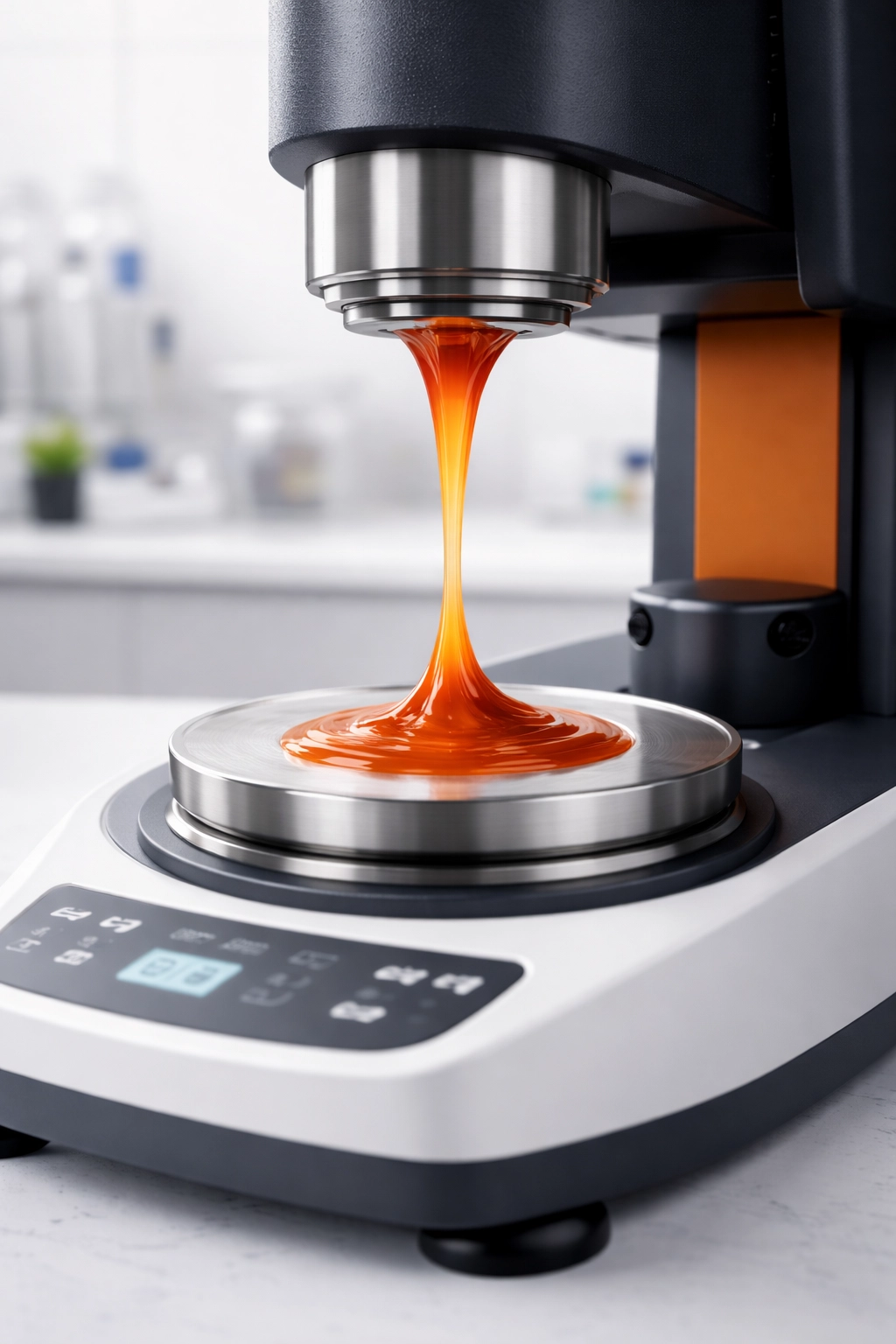
Rheology – Understanding Flow & Texture
How your product behaves in real conditions
Rheology measures how materials flow and deform, providing critical insight into product performance during processing, storage and use.
Our rheological testing capabilities allow us to quantify:
- Viscosity and flow behaviour
- Yield stress
- Gel strength
- Viscoelastic properties
- Stability over shelf-life
- Processing performance (pumping, filling, spreading)
Supporting product development and troubleshooting
Microscopy and rheology together form a powerful toolkit for both investigation and innovation.
We help you:
- Diagnose product defects and shelf-life issues
- Understand ingredient functionality and interactions
- Improve process control and robustness
- Accelerate new product development
Linking structure to performance
By correlating microscopy with rheological measurements, we can explain how formulation and processing influence product behaviour.
This enables:
- Improved product quality and consistency
- Identification of root causes of defects or failures
- Optimisation of formulations and processing conditions
- Better understanding of texture, mouthfeel and sensory performance
- Increased manufacturing efficiency and reduced waste
Valuable Support
Raw materials cost optimisation and consolidation
Product quality analysis and shelf-life determination
Qualitative NPD through experimental design
Rapid response to solve operational quality defects
Speak to our team
Whether you are investigating a foreign body, resolving a product issue, or developing a new formulation, our team can provide the insight and analysis you need to move forward with confidence.